


Unlocking the Power of Typography in Logo Design
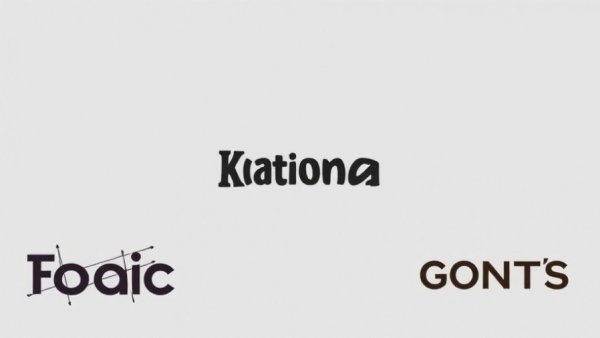
Typography fonts form the backbone of effective logo design, impacting brand perception more profoundly than many might realize. A well-chosen logo font communicates a brand’s personality before any other visual element is even registered. For instance, minimal geometric sans-serifs evoke a sense of modernity and reliability, whereas refined serif fonts often suggest a touch of luxury and tradition. This importance of typography can't be overstated; the right typeface must balance uniqueness with readability, ensuring that the logo remains recognizable across various applications, from digital screens to physical signage.
Understanding the Role of Fonts in Brand Identity
Selecting a logo font is not merely a stylistic choice; it's a strategic decision that reflects a brand’s voice and long-term versatility. Bold, condensed typefaces are often employed for their strong impact in tighter spaces, while more rounded or humanist styles appear approachable and friendly. Typically, successful logos leverage custom letter spacing or weight adjustments, rather than relying on decorative flairs, to achieve effective branding.
In the realm of logo creation, a thorough understanding of your target audience can lead to more informed font choices. A brand targeting children might opt for playful and rounded typefaces, while a financial institution could lean towards more traditional serif fonts that convey stability and trust. Therefore, the journey of creating an effective logo goes beyond aesthetics; it delves into a deeper crafting of brand identity that resonates with specific demographics.
The Essential Criteria for Choosing Logo Fonts
Designers seeking the best fonts for logos prioritize clarity and adaptability. A logo font needs to perform well in multiple contexts, which means that a typeface that looks awesome at large display sizes should retain its readability when scaled down for favicons or embroidery. Condensed options are particularly strong for horizontal compositions, while type families with multiple weights can support not only the primary wordmarks but also secondary text, maintaining harmonic visual relationships.
Moreover, considering how a font will perform in various environments such as online versus print can dictate the success of a logo. A font that shines on a website might not convey the same message when printed on a business card. Therefore, designers should also think about future use cases that may arise as the brand evolves.
Exploring a Variety of Top Typography Fonts for Logos
Now, let’s highlight a selection of remarkable typography fonts for anyone involved in logo design:
- Eleven: A contemporary geometric sans-serif that makes a bold statement, ideal for luxury brand design.
- La Dolce: An elegant serif family that adds a feminine touch to designs, suitable for various projects needing a classy accent.
- Neiko: A sleek, versatile sans-serif perfect for branding tasks, excelling in clarity and minimalism.
- The Regals: A modern, crisp serif that offers a touch of sophistication and strength, ideal for any classy display.
- The New Elegance: This editorial serif features clean lines and tight curves, making it trendy and elegant.
- Veiran: A modern, elegant sans-serif font designed for creators who want to make a bold statement.
- Gorga Sans: This typeface boasts 162 fonts with complete italics and alternates, providing designers with incredible flexibility.
- Roben Elegante: A classic serif and script combination that merges boldness with elegance, suitable for sophisticated branding.
- Boston Angel Serif: A modern vintage serif that conveys a sense of class while incorporating contemporary style.
- Florensans: An all caps display sans-serif typeface designed with elegance and modernity, featuring ligatures and special glyphs.
Each of these fonts demonstrates how structure influences brand perception much more than mere decorative elements could. With the variety of styles available, it becomes essential for brands to select a font that genuinely encapsulates their identity, creating a holistic representation across all visual communication.
Varied Applications of Typography Fonts
Beyond aesthetics, the practical applications of these fonts are considerable. For example, Gorga Sans provides 162 variations, offering designers complete flexibility in typography to support diverse branding needs. Similarly, Roben Elegante merges bold serif with delicate script for a unique combination suited to brands requiring both tradition and modern flair. As you consider your options, think about how each choice will communicate your brand's story across various mediums, be it social media, websites, or printed materials.
Additionally, it’s vital to recognize how different mediums might favor specific font types. A serif font might resonate deeply in print ads where texture can be appreciated, while sleek sans-serifs can shine in digital landscapes where quick readability is essential.
Crafting a Memorable Brand Experience
When integrating typography into your logo, consider its potential to evoke emotions and establish connections with your audience. In local communities, a thoughtfully designed logo using a suitable font can relay messages of trust, quality, and approachability. It encapsulates what a neighborhood business stands for and can significantly bolster customer loyalty.
Moreover, consider how your logo can become a storytelling device. For local businesses, a strong logo can encapsulate the values and missions that drive the enterprise, making it more than just a visual symbol but a piece of community heritage.
Conclusion: The Power of Collaboration with Local Designers
Before diving into logo design, it’s often beneficial to consult with a local graphic designer. They can provide insights unique to your brand identity, tailoring the font selection to suit your specific audience. If you're unsure about where to start, consider seeking out local graphic design services that understand not only typography but also the nuances of your community market.
Ultimately, the font you choose for your logo is not just a stylistic preference; it’s a vital component of your brand’s identity that can impact how you connect with your audience. Engaging a freelance graphic designer to help you through this process may just be the key to establishing a brand that resonates deeply within your community and beyond.






Write A Comment