


Understanding Brand Equity: A Crucial Element for B2B Success
Brand equity models are essential tools that help businesses evaluate the intangible value their brand name adds to their services beyond the actual offerings. In the B2B context, understanding these models—especially those proposed by famous marketing theorists like David Aaker and Kevin Lane Keller—is vital for establishing deep connections and credibility in the marketplace. An effective brand not only conveys quality but also fosters trust, an essential currency in business relationships.
David Aaker's Five-Asset Model: A Deep Dive
Aaker's model categorizes brand equity into five sections, which include brand loyalty, brand awareness, perceived quality, brand associations, and proprietary brand assets. This model lays the groundwork for auditing a brand’s strengths and weaknesses, which can be particularly beneficial for a firm engaged in professional services. When such companies, like accounting or consulting firms, undergo transformations like mergers or rebrands, this model enables them to analyze how these changes might influence their brand perception and subsequent client expectations.
For instance, a firm with high brand loyalty will find it easier to transition through a merger, as existing clients may remain loyal due to their previous positive experiences. On the other hand, if the brand has low awareness, the newly merged entity could face significant challenges in re-establishing itself in the marketplace. Understanding these dynamics empowers businesses to make informed decisions about their branding strategies.
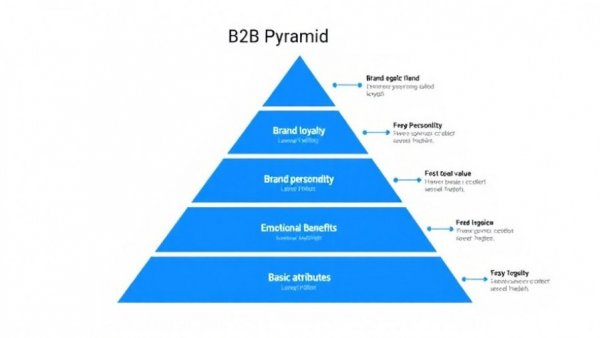
Kevin Keller's Customer-Based Brand Equity Pyramid: The Customer's Perspective
In contrast, Keller’s pyramid focuses more on the brand’s resonance in the minds of customers. From awareness to building deeper connections, Keller's model illustrates how well a brand can connect with various stakeholders involved in the B2B buying process. With many decision-makers involved—sometimes up to 17, according to research by Google and Bain & Co.—Keller's approach allows companies to tailor their messaging to better engage each stakeholder, nurturing specific sentiments so they choose your services over others. This personalized engagement is crucial in the modern B2B landscape, where relationships often dictate purchasing decisions.
Moreover, Keller emphasizes the importance of brand resonance as the ultimate goal, indicating that brands should strive not just for awareness but also for loyalty, attachment, and meaningful engagement. This deep understanding of customer perception can serve as a significant competitive advantage for B2B firms.
The Impact of Brand Equity on B2B Buying Decisions
In an age where 92% of B2B buyers often begin their purchasing journey with a predetermined shortlist of preferred vendors, considering how these equity models apply is critical. A strong brand equity could be the deciding factor between being included on that shortlist or being left off altogether. Utilizing Aaker's model to identify liabilities, such as outdated brand images, can help firms navigate rebranding efforts more effectively.
Addressing these liabilities proactively can prevent the pitfalls of 'brand decay,' which can tarnish reputation and sales. This strategy too is particularly relevant for businesses extending their reach into new markets. Understanding and improving brand equity can ultimately lead to increased customer loyalty and repeat business, a vital aspect of long-term success in a competitive environment.
Integrating Insights: A Layered Approach
Combining the frameworks of Aaker and Keller provides a comprehensive view of brand equity. A multi-layered approach can integrate asset audit data (from Aaker) with customer insights and perceptions (from Keller). By analyzing CRM data for metrics such as how often potential clients include your firm on their shortlist, along with other performance indicators, like deal velocity, businesses can directly measure the impact of brand equity strategies on revenue.
This integration also allows firms to tailor their marketing strategies more effectively. By understanding which assets contribute most significantly to brand equity, businesses can prioritize these elements in their branding efforts, whether it be through enhanced customer service, targeted advertising, or improved product offerings.
What It Means for Graphic Designers
The role of graphic designers becomes paramount in this dialogue about brand equity. Graphic design not only contributes to visual identity, which influences brand awareness, but it also helps convey perceived quality through effective communication strategies. Local graphic design services can play a significant role in reinforcing a strong brand identity through cohesive branding materials—from business cards to digital presentations—ensuring that all designs resonate with the intended target audience.
As B2B companies navigate their branding journeys, collaborating with skilled graphic designers can enhance their overall brand equity. This partnership is crucial in developing a consistent visual language that speaks to the brand's core values and objectives, ultimately fostering stronger connections with clients.
Finding the Right Graphic Designer for Your Branding Journey
When searching for a graphic designer near me, it’s essential to consider specific qualities that align with your brand's vision. Look for a business logo designer, or if you need a comprehensive branding overhaul, find a brand identity designer near me. Questions to ask include experience with B2B brands and the process for creating a design brief. A clear checklist of what to expect can streamline engagement and minimize misunderstandings in your project.
Moreover, explore their previous work and seek feedback from their former clients to gain insights into their approach and effectiveness. This thorough vetting process will help ensure a successful partnership that enhances your brand’s equity and market position.
The Takeaway: Success through Strong Brand Connections
The comparative analysis of Aaker and Keller's models reveals the complexity of B2B branding. By understanding and applying these frameworks, companies can forge stronger connections with their audiences, ensuring that their brand resonates effectively amid a crowded marketplace. For businesses ready to elevate their brand identity, collaborating with a dedicated local graphic design service can make a significant difference in achieving sustainable growth.
A proactive approach to brand equity, underpinned by a strong visual identity and strategic messaging, can not only enhance a company’s reputation but also significantly improve its bottom line. Investing in your brand today can yield substantial returns tomorrow.






Write A Comment